Why I Only Use Yin-Yang methodology for herbalism, never for styling humans!
If you’ve ever been told you’re ‘too Yang’ to be feminine, or that your broad shoulders are ‘masculine energy,’ this is for you.”
I use yin/yang methodology in my herbal work—but never when it comes to STYLING humans. Here’s why.
As a trained medicinal herbalist with a deep respect for Traditional Chinese Medicine (TCM), it’s a framework I refer to frequently . And within TCM, yin/yang methodology can be especially effective for understanding internal states, such as excess heat, excess cold, deficiency, excess. In herbalism, these concepts help diagnose what’s happening in the body’s systems and how to restore balance.
But that has nothing to do with whether a person looks their best in specific fabrics or hem lengths…
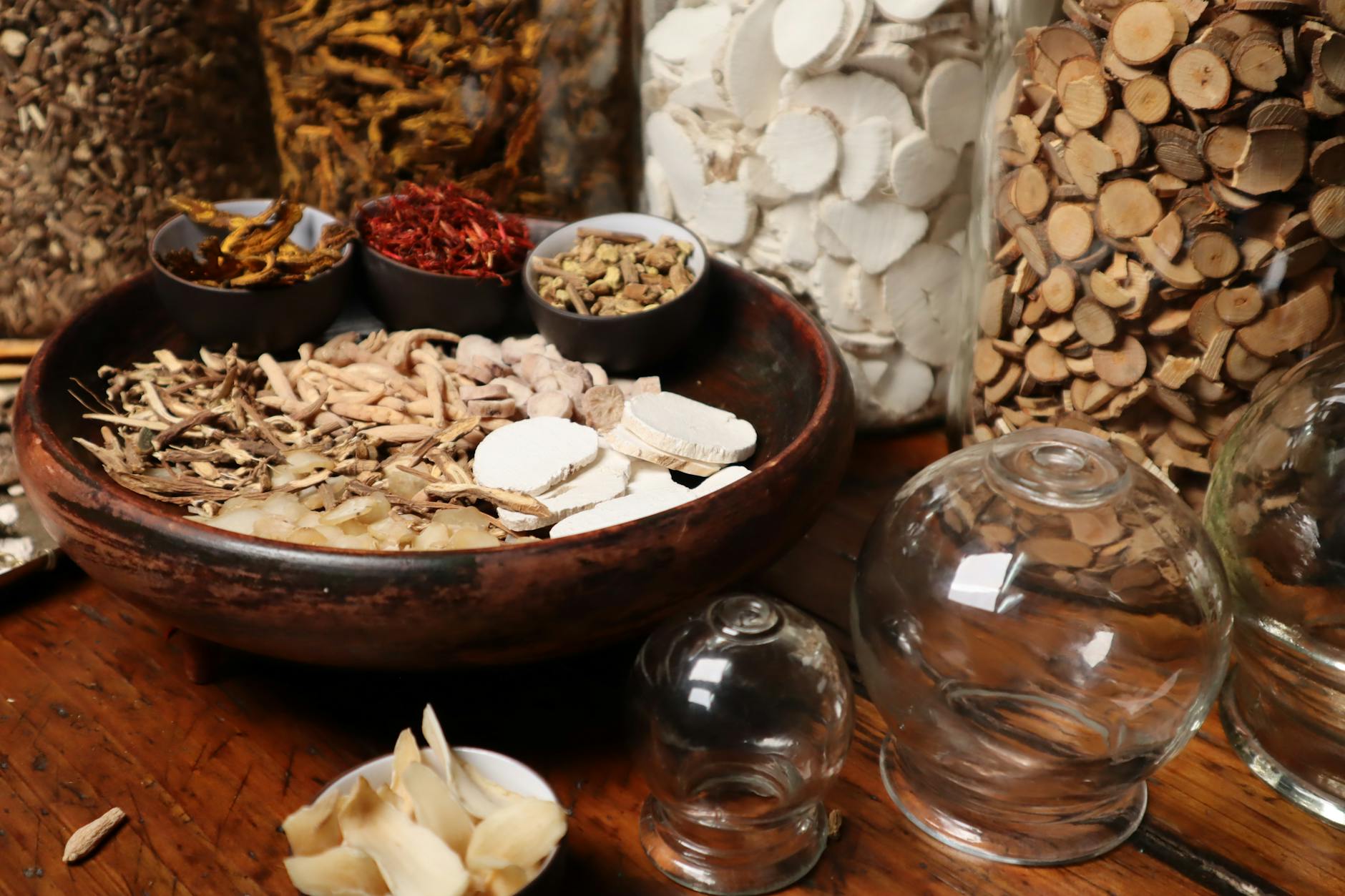
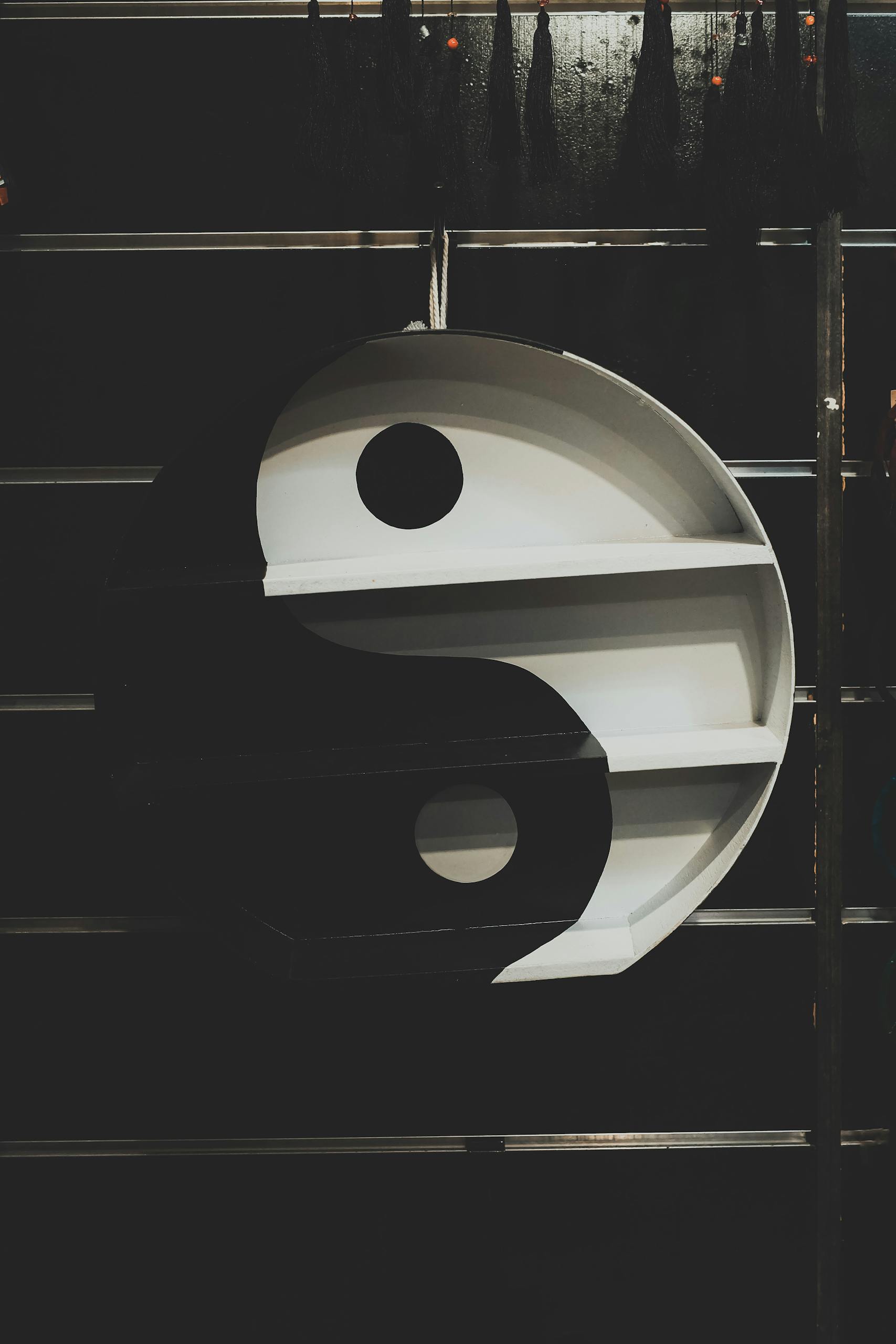
In Chinese philosophy and TCM, yin and yang are complementary opposites—darkness and brightness, rest and activity, Earth and Heaven, midnight and midday. In herbalism, these ideas can actually help us understand constitutional imbalances: someone might be yin deficient, yang deficient, or excess in either direction. For example, a person with what’s known as Spleen Yang Deficiency might be prone to poor digestion and a feeling of heaviness and listlessness. The goal is always equilibrium. (often achieved through herbal medicine and/or dietary and lifestyle changes). It’s a beautiful system, and it makes perfect sense in its intended context.
But using yin/yang to analyze one’s body geometry or personal style?
That’s where things go sideways.

The Yin/Yang Styling Problem
The minute people tried to map yin/yang onto fashion and body types, things got… messy. Harriet McJimsey’s work from the 60s–70s is the foundation for much of modern style typing. She assigned Dramatic and Natural types to Yang, and Gamine and Ingenue to Yin, with Classic and Romantic in the middle.
Then she made a leap that has never made sense:
Yang supposedly meant dark hair, dark skin, brown or black eyes. Yin meant blonde, light eyes, fair colouring.
Except—according to actual Chinese philosophy—that’s… not it.
Yin is associated with darkness.
Yang with brightness.
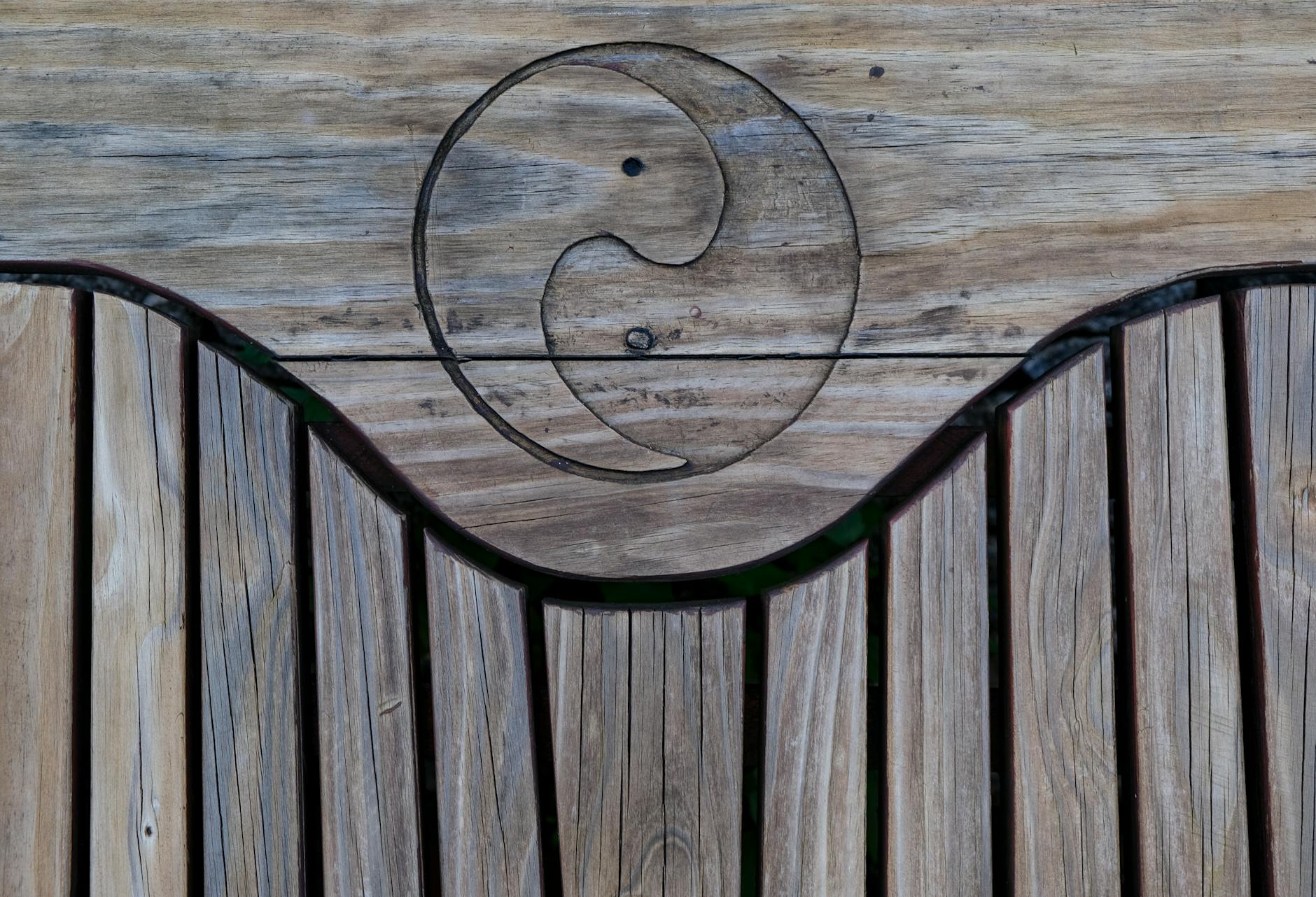
So the system started contradicting its own source material from day one. It’s like building a house with the roof on the ground. The whole thing ends up arbitrary, confusing, and not remotely aligned with the tradition it claims to borrow from.
Yin/yang was never intended to categorize human bodies for the purpose of style recommendations. Forcing it into that role can create distortion and confusion, (for example, insisting every woman who is above some arbitrary height level is “Yang.” And conflating certain female bodies or isolated body parts (broader shoulders for example) with“Yang” and suggesting that these “Yang” traits are “Masculine.”) is, at best, unhelpful.
So what do I use? Personal Architecture
Personal Architecture is a framework I created to describe what is actually observable in a human body:
Visual Breadth — the horizontal space your frame commands
Visual Length — how tall or elongated you appear
Angularity Factor — how prominently your bone structure reads
Scale Dominance — the overall impression of size you project.
For example, if your Angulularity Factpr is high, structured shapes, crisp tailoring, and geometric details are unlikely to overwhelm you and will instead resonate with the architecture of your bones.
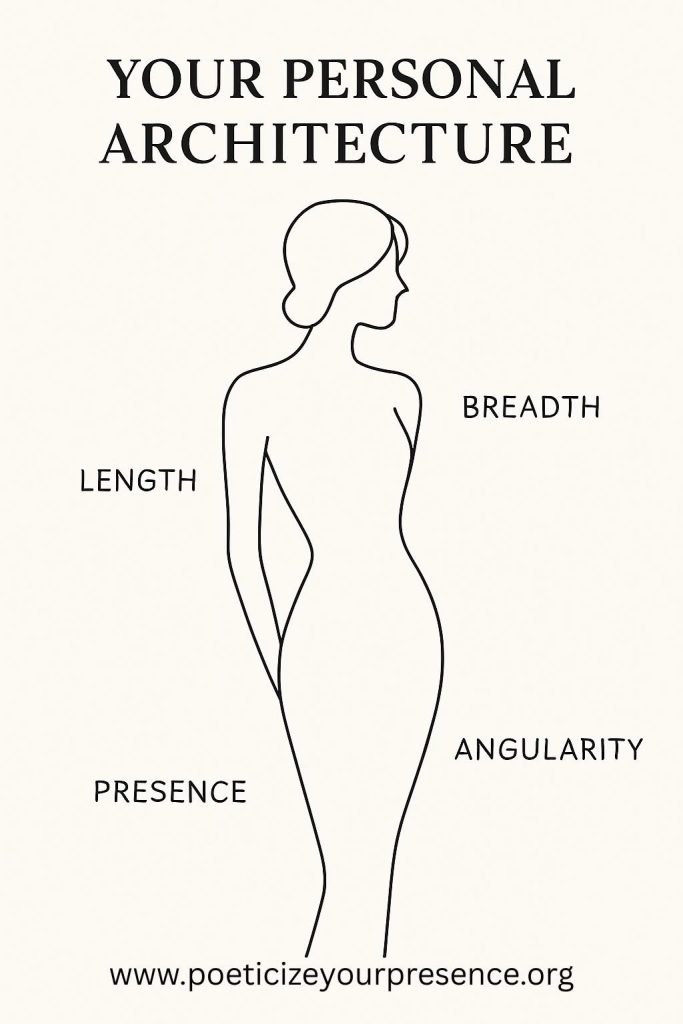
These traits collectively determine your Silhouette ID. Most people are a blend of two or three out of seven types: Sleek, Celestial, Stately, Luxuriant, Fresh, Delicate, Timeless.
It’s rooted in what the eye can truly see—not borrowed metaphysics, not contradictory interpretations, not philosophical concepts stretched far beyond their purpose.
Just clarity.
What’s your take? How you feel about applying yin/yang methodology to personal style?
If you’d like to understand your own Personal Architecture and Silhouette ID, that’s exactly what I do in my Silhouette Analysis and Full Story packages. More info HERE